
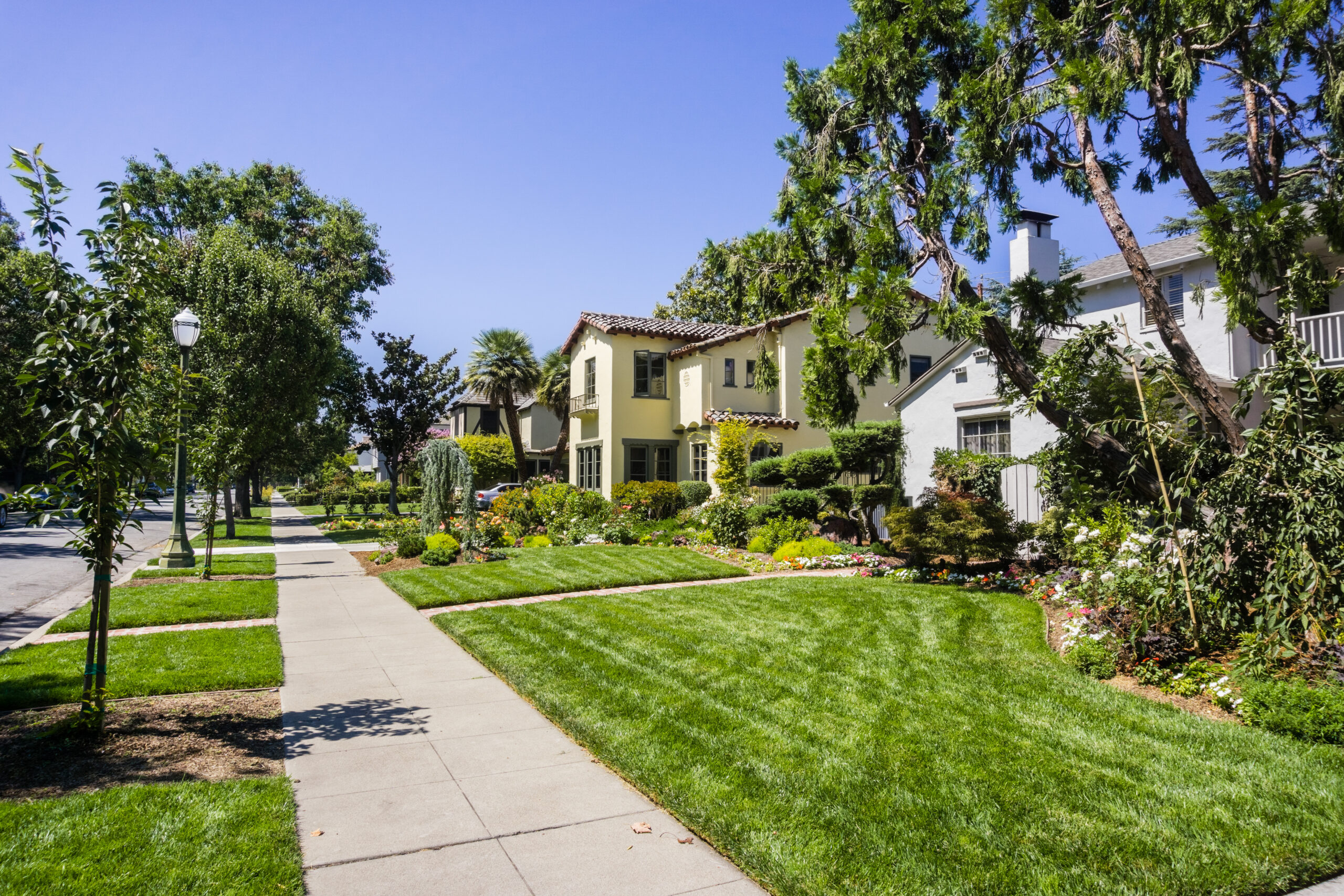
The strip of land tucked between the sidewalk and the street—often called the parkway, or parking strip—adds aesthetic appeal and urban canopy to our neighborhoods. However, it also sparks a maze of questions regarding liability and maintenance. Who is responsible when a branch drops, a tree falls, or roots buckle the concrete?
This review breaks down the relevant local and state codes governing trees and sidewalks in California and Rancho Cucamonga, answering key questions about care, liability, and repairs.
1. Summary of Applicable Codes
California State Law: California Streets and Highways Code § 5610 – § 5629
- Code Summary: This foundational state law places the duty on adjacent property owners to maintain the public sidewalks in front of their property in a safe, non-dangerous condition. While municipalities can own the right-of-way, this statute shifts general maintenance obligations to the landowner.
- The Tree Factor: Under state case law interpretation of § 5610, property owners are generally responsible for ordinary maintenance, but liability limits shift if a city-owned street tree causes the hazard, or if the municipality explicitly assumes or delegates total liability through local ordinances.
Rancho Cucamonga Local Regulation: City Tree and Right-of-Way Policies (City Public Works / RC2GO)
- Code Summary: In Rancho Cucamonga, trees planted in the public right-of-way or parkway strips are classified as City trees. Unauthorized removal, heavy pruning, or altering a public street tree by anyone other than the City (or its authorized contractors) is strictly prohibited.
- The Tree Factor: The City manages public trees through its Public Works division, reserving exclusive rights to evaluate, trim, or remove them based on specific safety criteria (such as structural decay, severe corner sight obstructions, or major damage to private infrastructure).
2. Key Questions Answered
Who is responsible for trimming and caring for the tree?
- Public Street Trees: In Rancho Cucamonga, trees located in the public right-of-way/parkway are managed by the City. Residents can request maintenance or inspection via the city’s RC2GO reporting tool. Unauthorized cutting or trimming of city trees by private citizens is prohibited.
- Private Trees / Overhangs: If a tree is planted on private property but its branches extend over the sidewalk, the adjacent property owner is responsible for ensuring clearance is maintained so pedestrians are not obstructed.
Who is responsible if the tree falls?
- During Storms / Acts of God: If a healthy city-owned street tree falls during a severe storm, the City generally manages the cleanup from the public right-of-way. Property owners are typically not held liable for unpreventable acts of nature unless negligence (such as ignoring a clearly dead, hazardous tree that the city had already been notified about) can be proven.
- Private Trees: If a tree originating on private property falls and damages public property or blocks the right-of-way, the private property owner bears responsibility for the cleanup and resulting damages.
Who is responsible when roots uplift the sidewalk?
This is the most contentious area in California property law:
- The Sidewalk vs. The Tree: While the sidewalk surface is traditionally the maintenance duty of the adjacent property owner under California Streets and Highways Code § 5610, uplift caused aggressively by a city-owned parkway tree introduces shared municipal oversight.
- Rancho Cucamonga Practice: The City of Rancho Cucamonga evaluates public infrastructure issues tied to city trees during public works improvements (such as scheduled sidewalk, curb, and gutter replacements). Residents should report sidewalk safety hazards and tree conflicts directly to the City via RC2GO so that public works can assess whether root pruning, ramping, or panel replacement is warranted under municipal guidelines.
Conclusion
Navigating the green space between your yard and the street requires balancing private property frontage with public right-of-way rules. While homeowners are expected to keep frontages tidy, public street trees belong to the municipality, meaning major pruning and removal decisions rest squarely in the hands of the City of Rancho Cucamonga. If you notice an issue with an uplifting sidewalk or a hazardous tree limb in your parkway, filing a report through the city’s digital channels is always the safest and legally sound first step.

No responses yet